
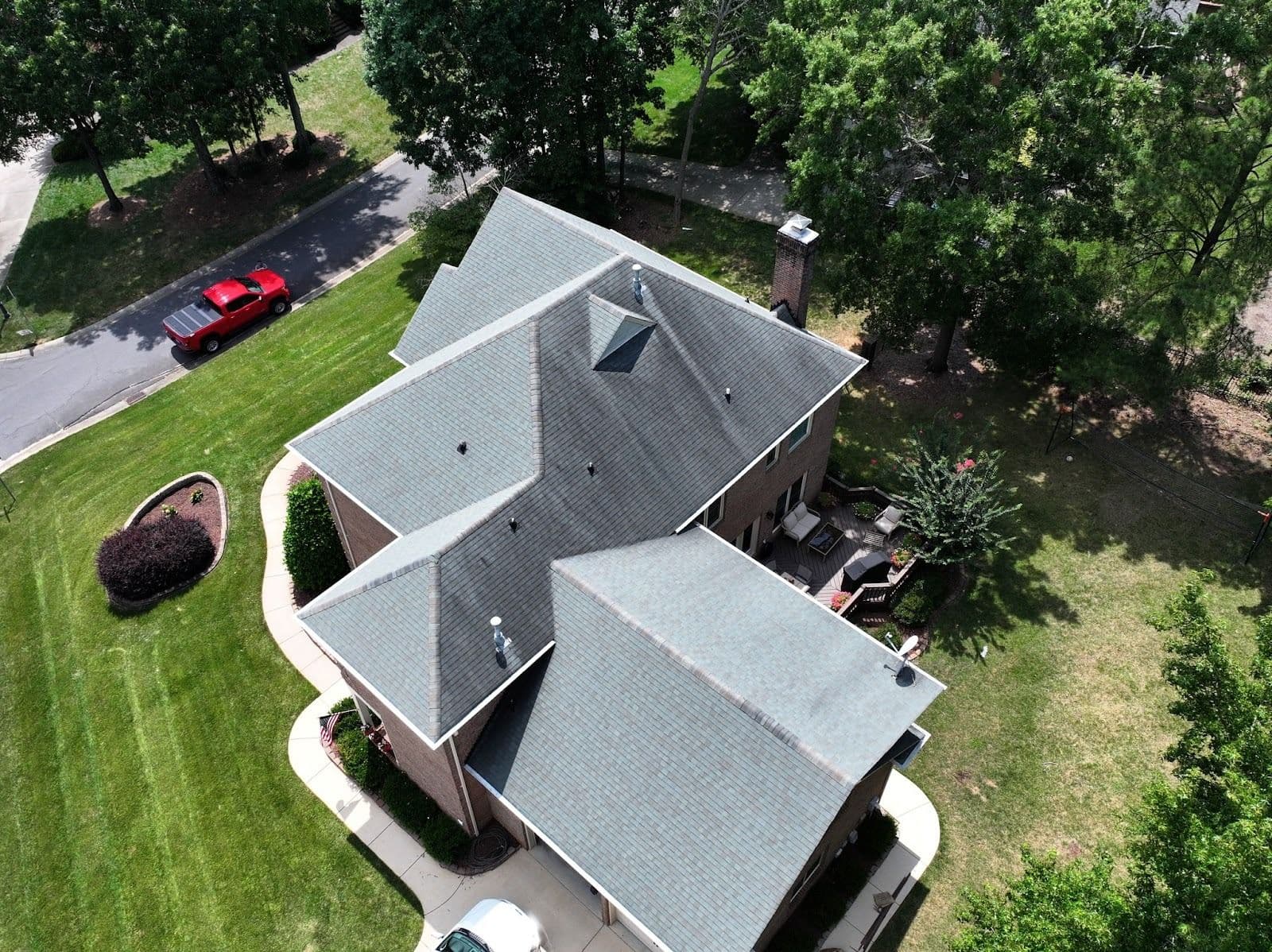
After a storm, it is common to look up at your roof and wonder if what you are seeing is real damage or just normal aging. The problem is that storm damage and roof wear do not always look dramatic, especially from the ground.
Knowing the difference matters. It affects how urgent the situation is and what steps you should take next.
What Normal Roof Wear Actually Looks Like
Every roof ages. Sun, temperature changes, and time slowly break materials down. This type of wear happens evenly and gradually.
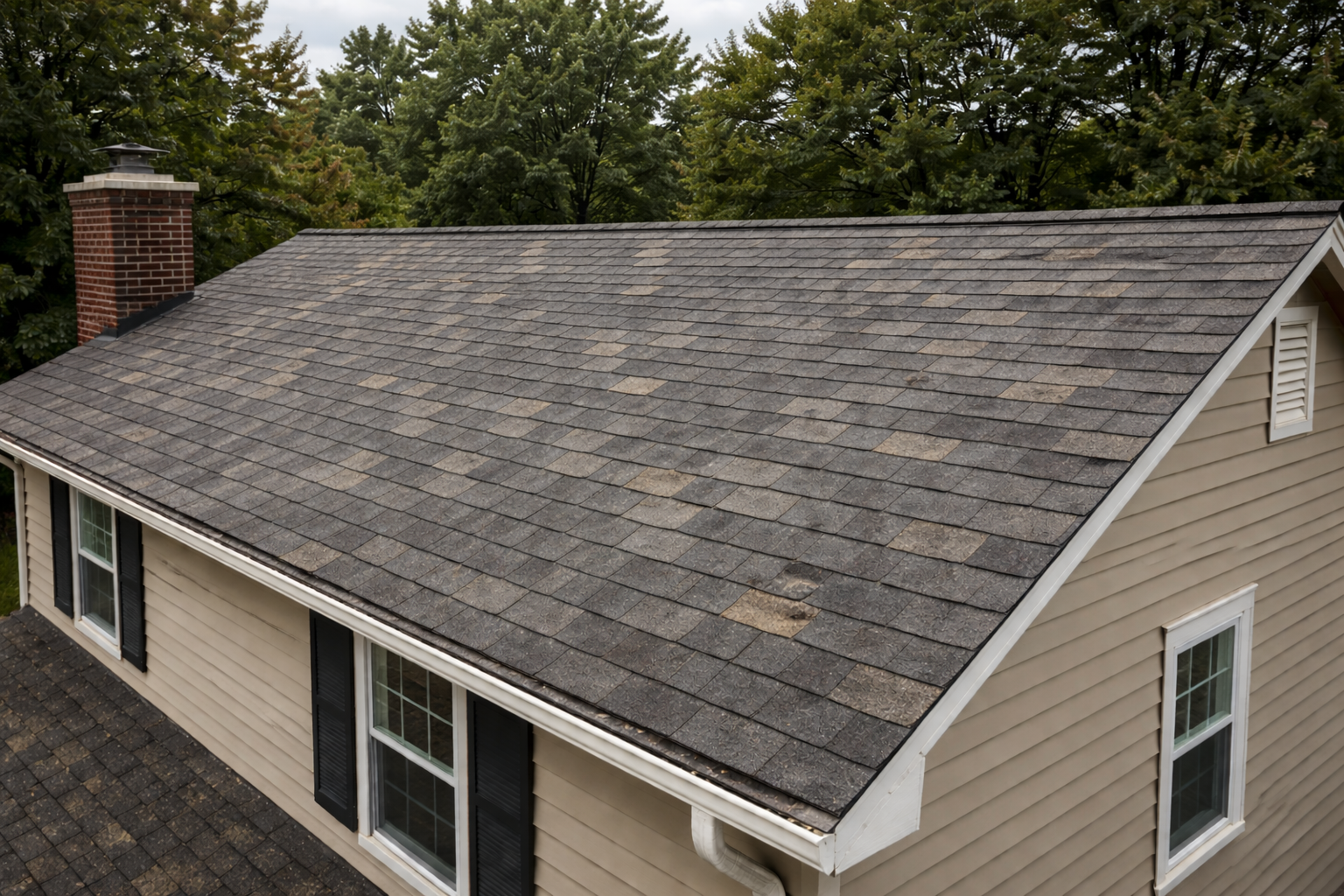
Normal roof wear often shows up as:
- Shingles losing granules across large areas
- Color fading from long-term sun exposure
- Shingles becoming brittle over time
- Sealants and flashing aging at a similar pace
This kind of wear does not usually appear overnight. It develops slowly and consistently.
What Storm Damage Looks Like on a Roof
Storm damage is different because it is caused by a specific event. Wind, hail, and debris hit the roof with force, and the damage pattern usually reflects that.
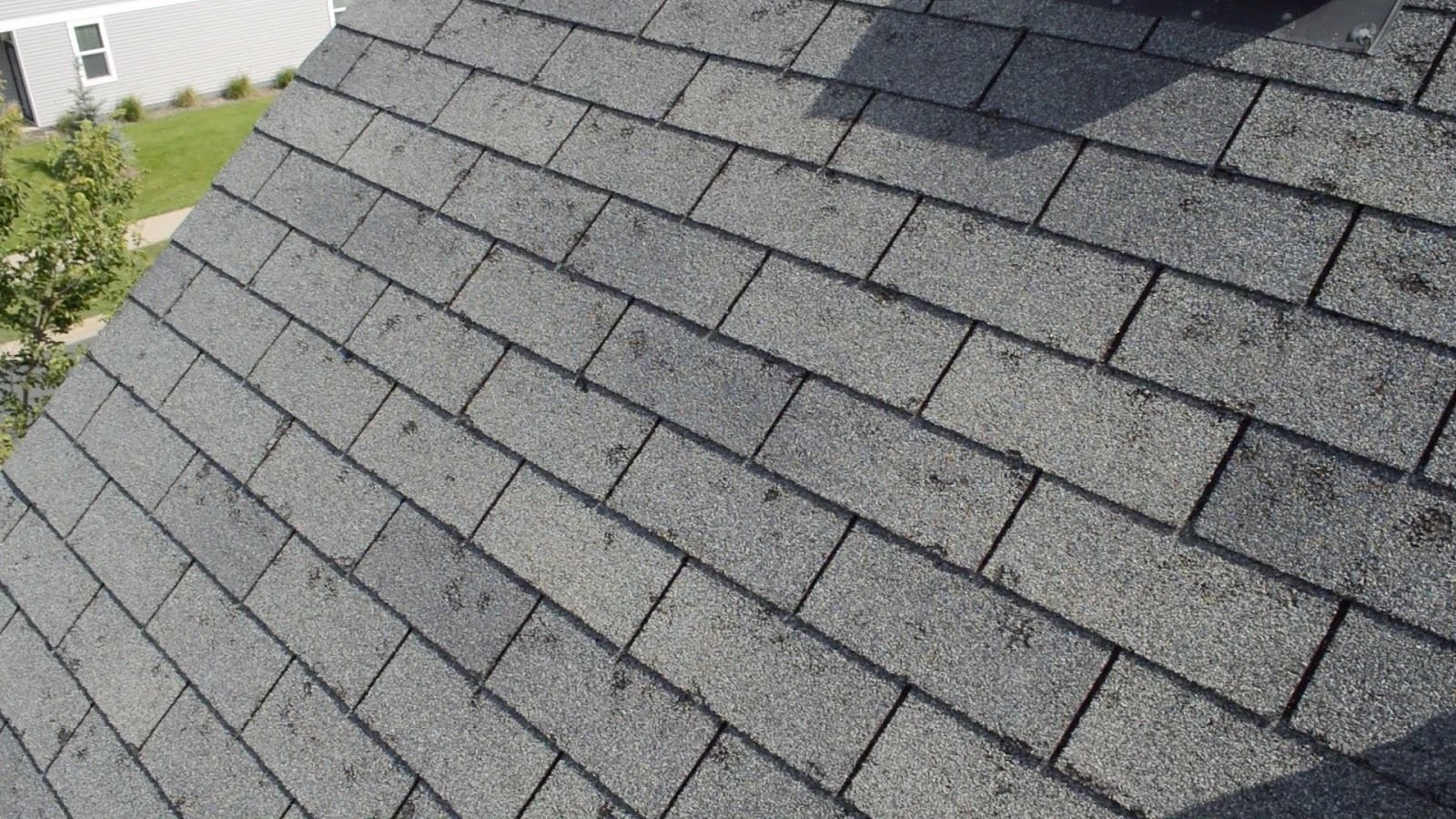
Common signs of storm damage include:
- Shingles lifted or missing after high winds
- Impact marks or bruising from hail
- Cracked or punctured shingles
- Bent flashing or damaged roof edges
- Marks or damage from fallen branches
Storm damage often appears in certain sections of the roof rather than everywhere at once.
The Key Differences Homeowners Miss
The biggest difference is not always what the damage looks like. It is how and when it appears.
Timing matters.
Storm damage shows up shortly after a weather event. Normal wear builds over years.
Patterns matter.
Storm damage is uneven and directional. Roof wear is widespread and consistent.
Risk matters.
Storm damage can compromise the roof quickly. Wear usually progresses slowly before causing leaks.
These details are hard to judge without getting a closer look.
Why It Is Not Always Obvious From the Ground
Some of the most serious storm damage is subtle. Lifted shingles, hail bruising, or small punctures may not leak right away, but they can shorten the life of the roof if they are ignored.
At the same time, normal aging can sometimes look worse than it actually is, leading to confusion about whether damage is storm-related or expected.
This is why guessing often leads homeowners in the wrong direction.
When a Roof Inspection Is the Right Move
If you noticed changes after a storm or something about your roof does not look right, a professional roof inspection can provide clear answers.
An inspection can:
- Identify storm damage that is not visible from the ground
- Separate weather damage from normal aging
- Document roof conditions clearly
- Help you understand realistic next steps
For general upkeep, a routine roof inspection can help track aging. When weather is involved, a more focused evaluation makes sense.
What You Should Do Next
If you are unsure whether your roof is showing storm damage or normal wear, avoid climbing on the roof or waiting to see if the problem gets worse.
Taking a few photos from the ground and scheduling a professional inspection can help you understand what is happening before small issues turn into bigger ones.
Clear Answers From a Team That Knows Roofs
At Top Flight Contracting, we help homeowners understand what they are seeing on their roof and why it matters. Our inspections focus on clear explanations, honest assessments, and practical guidance, not assumptions or pressure.
Whether you are dealing with storm concerns or long-term roof aging, knowing the difference is the first step toward protecting your home.
If something about your roof does not look right, getting clarity early can make all the difference.