

On March 16, 2026, a powerful storm system is moving across North Carolina, bringing damaging wind, tornado warnings, hail, and heavy rain to communities throughout the state. As the system moves across the region, tens of thousands of power outages are being reported across North Carolina, largely due to downed trees and power lines caused by high winds.
The National Weather Service has placed much of central North Carolina under a Moderate Risk (Level 4 of 5) for severe weather, which forecasters use when conditions support widespread severe storms capable of causing property damage.
Storm briefings warn this system could produce:
- Wind gusts reaching 70-75 mph
- Tornadoes, including the potential for stronger tornadoes
- Large hail in some storms
- Heavy rain and intense lightning
The storms are tracking east across North Carolina and impacting major cities including:
- Charlotte
- Greensboro
- Winston-Salem
- Raleigh
- Durham
With storms moving as fast as 60 mph, conditions can change quickly as severe cells move through neighborhoods.
How This Storm Is Affecting Homes Across North Carolina
Storms like this affect homes in several ways, and many homeowners across North Carolina are already seeing the impact.
Strong winds can bring down tree limbs or entire trees, damage fences, scatter debris, and knock down power lines. Power outages are being reported across several regions of the state as utilities respond to downed lines and storm-related damage.
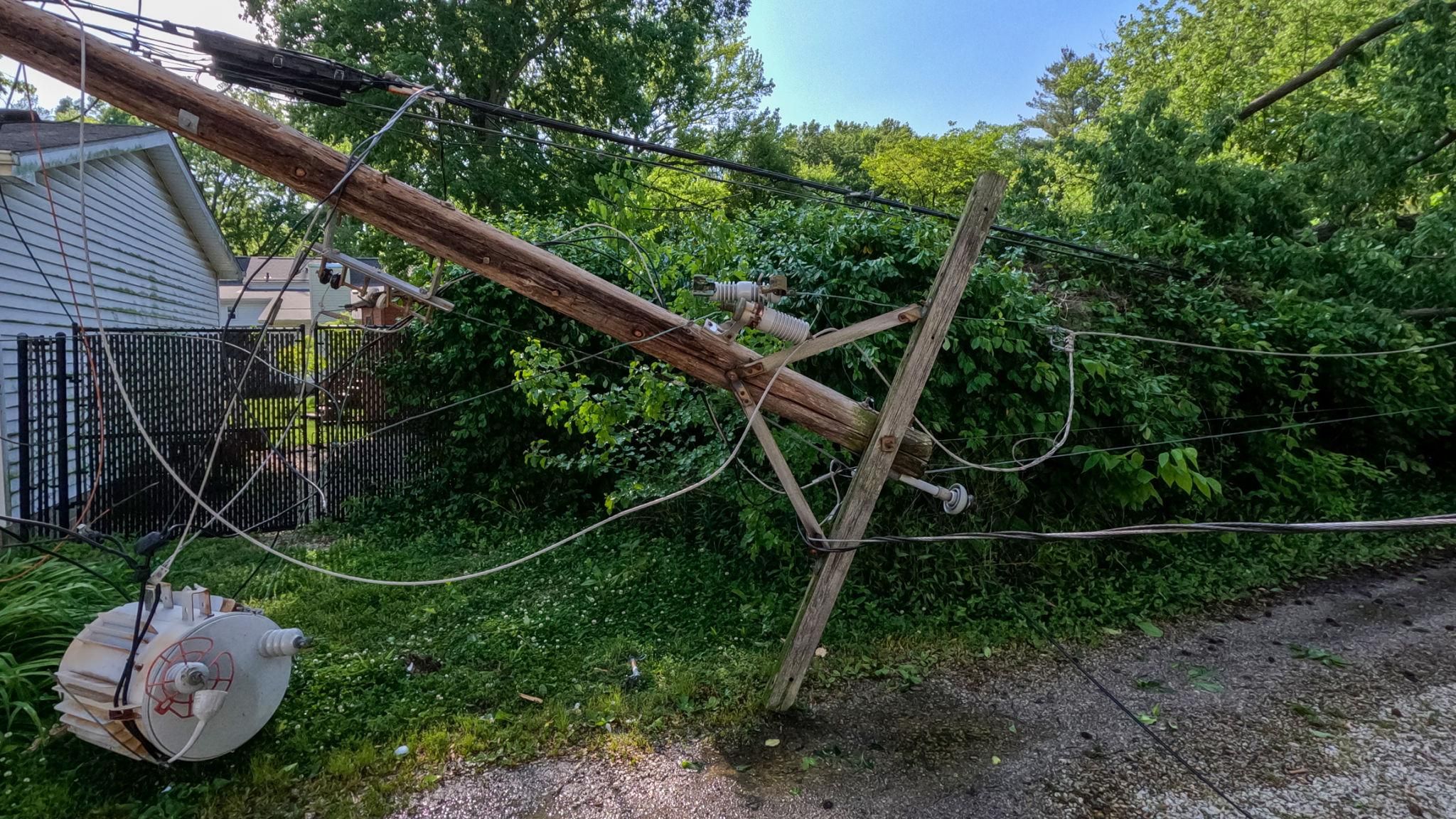
At the same time, these winds place tremendous pressure on a home’s exterior systems, including roofing, siding, and gutters. According to NOAA, thunderstorms are considered severe once winds reach 58 mph, and forecasters expect gusts during this storm system to exceed 70 mph in some areas.
Wind at those speeds can:
- lift and loosen shingles
- break the adhesive seal that protects asphalt roofing
- shift ridge caps or flashing
- damage siding panels or trim
- pull gutters away from the roofline
- drive debris into roofing materials
- tear shingles away from the roof surface
Across the United States, wind and hail account for nearly half of all homeowner insurance claims, and roofing systems are one of the most commonly damaged parts of a home during severe storms.
When strong wind, debris, and heavy rain combine, the roof, siding, windows and gutter systems of a home absorb much of that impact.
If a Tree Fell or Your Roof Took a Hit, Call Top Flight Contracting
Storm damage can happen quickly, and when it does, having a local team ready to respond makes a difference.
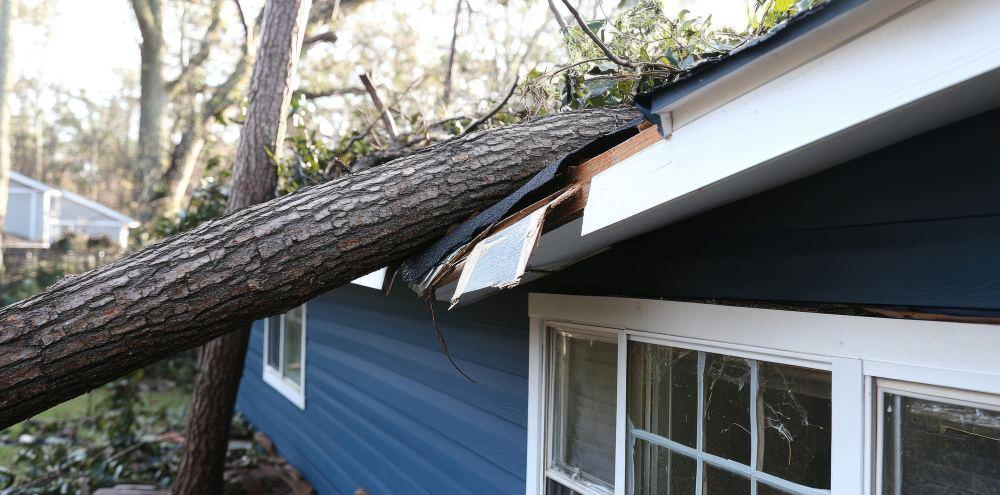
At Top Flight Contracting, we help homeowners across North Carolina recover from storm damage by providing:
- emergency storm damage response
- roof inspections after severe weather
- wind and hail roof repairs
- fallen tree removal from roofs and structures
- siding and gutter repairs after storm damage
- exterior repairs and restoration
If a tree has fallen on your home, your roof was hit by debris, or you suspect storm damage, call Top Flight Contracting for a free inspection. Our team will assess the situation, remove hazards, and help restore your home safely after the storm.
Even If Everything Looks Fine, Storm Damage Can Still Be There
After storms move through a neighborhood, many homeowners walk outside and check for obvious problems like fallen trees or broken fencing.
But exterior damage does not always show up right away.
During post-storm inspections, we sometimes find damage to roofs, siding, and gutters that homeowners could not see from the ground. High winds can slightly lift shingles and break the adhesive seal that keeps them secured. When that happens, the roof may still look normal, but the protective system has been weakened.
We sometimes see things like:
- shingles lifted or creased by wind
- flashing loosened around roof penetrations
- ridge caps shifted during strong gusts
- granule loss caused by hail
- gutters pulled away from the fascia
- siding panels loosened by wind pressure
- small punctures from airborne debris
Because nearly three quarters of homes in the United States use asphalt shingle roofing, wind uplift is one of the most common forms of storm damage.
These issues may not cause an immediate leak, but they can allow water to enter during the next storm if they are not addressed.
A Roof Inspection Can Help Protect Your Home
The March 16, 2026 storm system bringing damaging winds, falling trees, and power outages across North Carolina is creating the exact conditions that can damage roofing, siding, and gutter systems.
Even if your home looks fine after the storm passes, a quick inspection can help ensure there is no hidden damage.
We offer free storm damage inspections for homeowners across:
- Charlotte
- Raleigh
- Greensboro
- Winston-Salem
- surrounding North Carolina communities
We often discover small issues early that can prevent bigger repairs later.
If your home is experiencing strong winds, nearby tornado warnings, falling debris, or tree damage, now is the right time to have your home’s exterior checked.
Call Top Flight Contracting today to schedule your free post-storm inspection and make sure your roof, siding, and gutters are fully protected.
Frequently Asked Questions After Severe Storms in North Carolina
Can high winds damage a roof even if shingles didn’t blow off?
Yes. Wind gusts above 60 mph can lift shingles and break the adhesive seal that holds them in place. When this happens, the roof may still look normal from the ground, but the protective barrier has been weakened and may allow water intrusion during the next storm.
Should I get my roof inspected after a tornado warning?
It is a good idea. Even if a tornado did not directly impact your neighborhood, the same storms that produce tornado warnings often bring damaging winds, debris, and heavy rain, all of which can affect roofing systems.
Can severe storms damage siding and gutters too?
Yes. Strong winds and flying debris can loosen siding panels, dent metal surfaces, or pull gutters away from the roofline. Gutters are especially vulnerable during high winds or when tree branches fall nearby.
What should I do if a tree falls on my roof?
If a tree has fallen on your home, stay clear of the area and contact professionals who can safely assess the damage. Fallen trees can compromise the structure of a roof and may also involve electrical hazards if power lines are nearby.
Top Flight Contracting helps homeowners with storm damage response, tree removal from roofs, and exterior repairs following severe weather.
Do storms like this commonly cause roof damage in North Carolina?
Yes. Severe storms that produce 70+ mph wind gusts, hail, and tornado warnings, like the system currently moving across North Carolina, create conditions that commonly lead to roofing and exterior damage.