
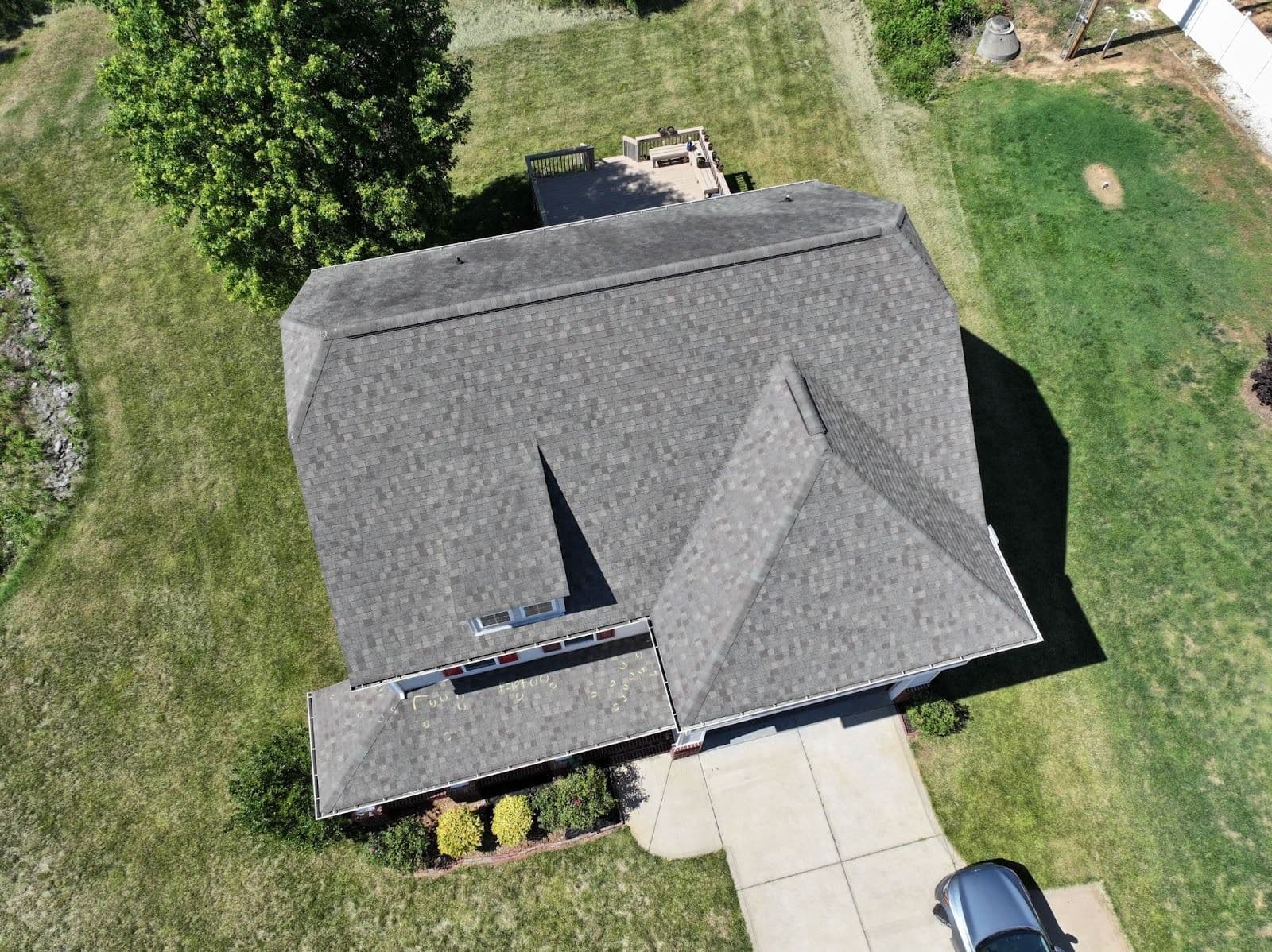
When a roof is damaged during a storm, an insurance claim often depends on one critical step: a documented roof inspection. A roof inspection for insurance is not the same as a routine inspection. Its purpose is to confirm storm-related damage, document findings clearly, and support the insurance claims process.
Understanding how an insurance roof inspection works can help homeowners avoid delays, missed damage, or unnecessary claim denials.
What Is a Roof Inspection for Insurance?
A roof inspection for insurance is a formal evaluation performed to document damage related to a specific event, most commonly wind or hail. Insurance companies rely on these inspections to determine whether damage qualifies for coverage under a policy.
Unlike routine roof inspections, insurance inspections are evidence-driven. The focus is on identifying qualifying damage, establishing cause, and providing clear documentation that an adjuster can review.
These inspections are typically requested after:
- Severe storms or hail events
- Wind damage incidents
- Suspected roof leaks tied to storm activity
- Insurance claim disputes or second opinions
When Does Insurance Require a Roof Inspection?
Insurance companies may require a roof inspection in several situations:
- A homeowner files a storm damage insurance claim
- An adjuster needs documentation before approving coverage
- Damage is not visible from the ground
- A claim has been partially denied and requires further evaluation
- The age or condition of the roof is questioned
In many cases, a professional roof inspection helps clarify whether damage is storm-related or the result of normal aging and wear.
What Happens During a Roof Inspection for Insurance?
An insurance roof inspection follows a structured process designed to support claim review and decision-making.
Exterior Roof Evaluation
The inspector evaluates shingles or roofing materials for storm impact such as creasing, lifted edges, punctures, or granule loss.
Storm Damage Identification
Damage is categorized by type and severity, including hail strikes, wind uplift, flashing damage, and compromised roof components.
Documentation and Evidence
Photos, measurements, and written notes are collected to support the insurance claim. Clear documentation is essential for adjuster review.
Code and Compliance Considerations
In some cases, inspections identify building code requirements that may affect repair or replacement decisions.
Adjuster Coordination
Inspection findings may be shared with the insurance adjuster to help ensure the scope of damage is fully understood.
Why Insurance Roof Inspections Sometimes Fail
Insurance claims are often delayed or denied due to inspection issues rather than policy limitations. Common problems include:
- Missed or overlooked storm damage
- Inspections performed too long after the storm
- Incomplete photo documentation
- Inspectors unfamiliar with insurance claim requirements
- Failure to clearly distinguish storm damage from age-related wear
A thorough insurance roof inspection helps reduce these risks by providing clear, professional evidence early in the claims process.
Choosing the Right Contractor for an Insurance Roof Inspection
Not all roof inspections are performed with insurance claims in mind. When insurance is involved, experience and process matter.
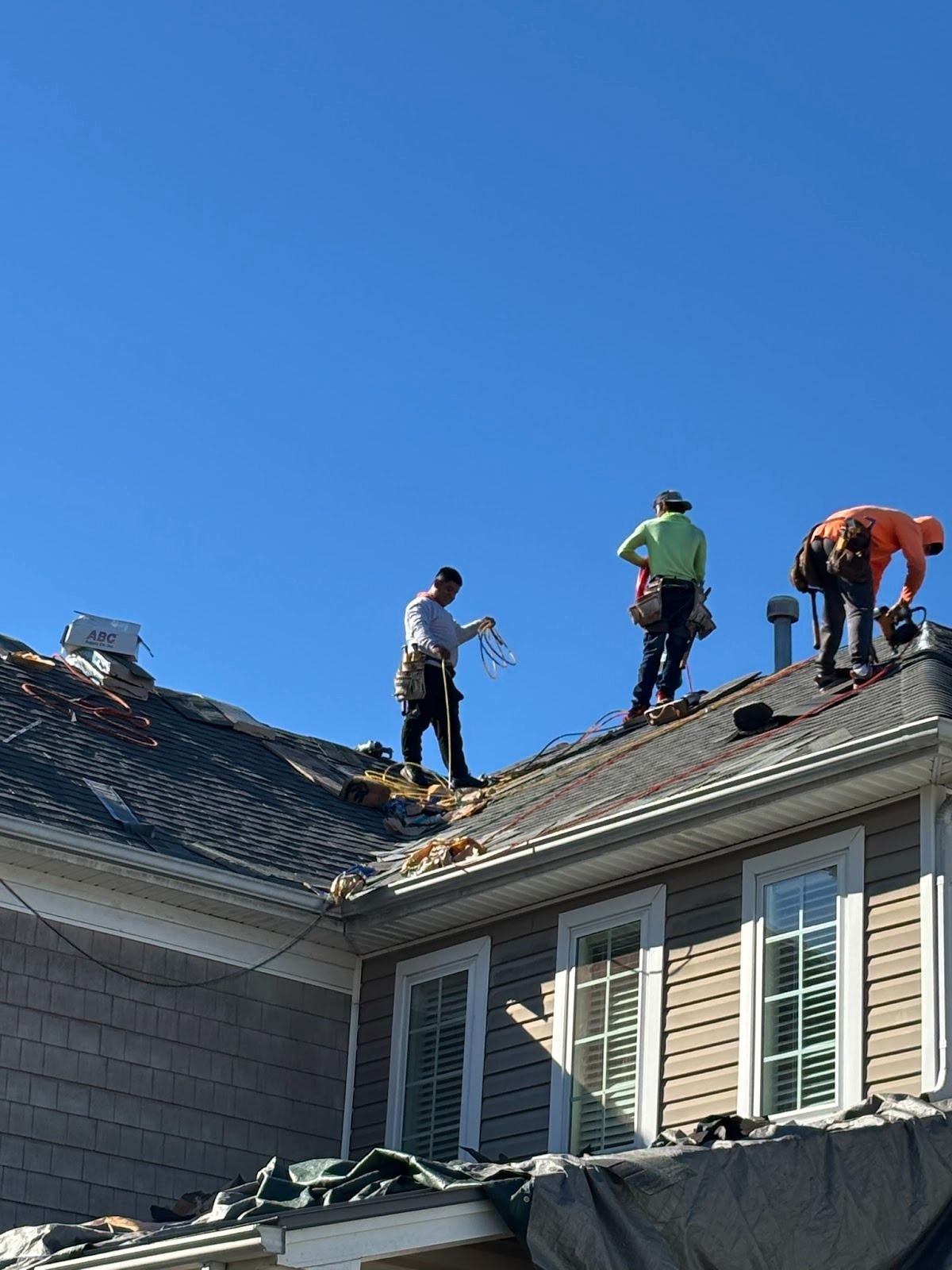
A qualified inspection professional should understand:
- Insurance documentation standards
- Storm damage patterns on roofing systems
- How to communicate findings clearly to adjusters
- The difference between repairable damage and full replacement conditions
Choosing a contractor experienced in insurance roof inspections helps ensure the inspection supports the claim rather than complicating it.
What Happens After the Insurance Roof Inspection?
Once the inspection is complete, several outcomes are possible:
- Damage is confirmed and the claim moves forward
- Additional documentation is requested by the insurer
- A repair scope is approved
- A full roof replacement is recommended
- A denied claim may be appealed with supporting evidence
The inspection serves as the foundation for next steps, whether repairs, replacement, or further claim review.
Professional Support During Insurance Roof Inspections
Navigating an insurance roof inspection can feel unclear, especially after storm damage. The process involves documentation, timing, and communication with your insurance company, and missing any step can slow things down.
At Top Flight Contracting, we help homeowners understand what an insurance roof inspection involves and what comes next. We focus on accurate assessments, thorough documentation, and clear guidance so you can make informed decisions without added stress.
Whether damage is confirmed or further review is needed, our goal is clarity first. A professional roof inspection should give you answers, not pressure.
If you need a roof inspection related to an insurance claim or recent storm damage, we are here to help you understand your options and move forward with confidence.
Roof Inspection for Insurance FAQs
Do insurance companies check your roof?
Yes. Insurance companies often require a roof inspection to verify storm-related damage before approving a claim. This may be completed by an insurance adjuster, a roofing professional, or both.
What not to say to an insurance adjuster about roof damage?
Avoid guessing the cause of damage or admitting fault. It is best to describe what you observed and when it occurred without assumptions. A professional roof inspection provides documentation that speaks for itself.
How old can a roof be before insurance considers it too old?
This depends on the insurance policy and the condition of the roof. Some insurers limit coverage for older roofs, especially if damage appears related to wear rather than a storm. Age alone does not automatically disqualify a claim.
What should I expect during a roof inspection for insurance?
You can expect a visual inspection of the roof, identification of storm damage, and photo documentation. The inspector may also evaluate flashing, vents, and other components that affect claim approval.
How long does an insurance roof inspection take?
Most insurance roof inspections take between 30 and 60 minutes, depending on roof size, accessibility, and the extent of damage. Additional time may be required if follow-up documentation is needed.