
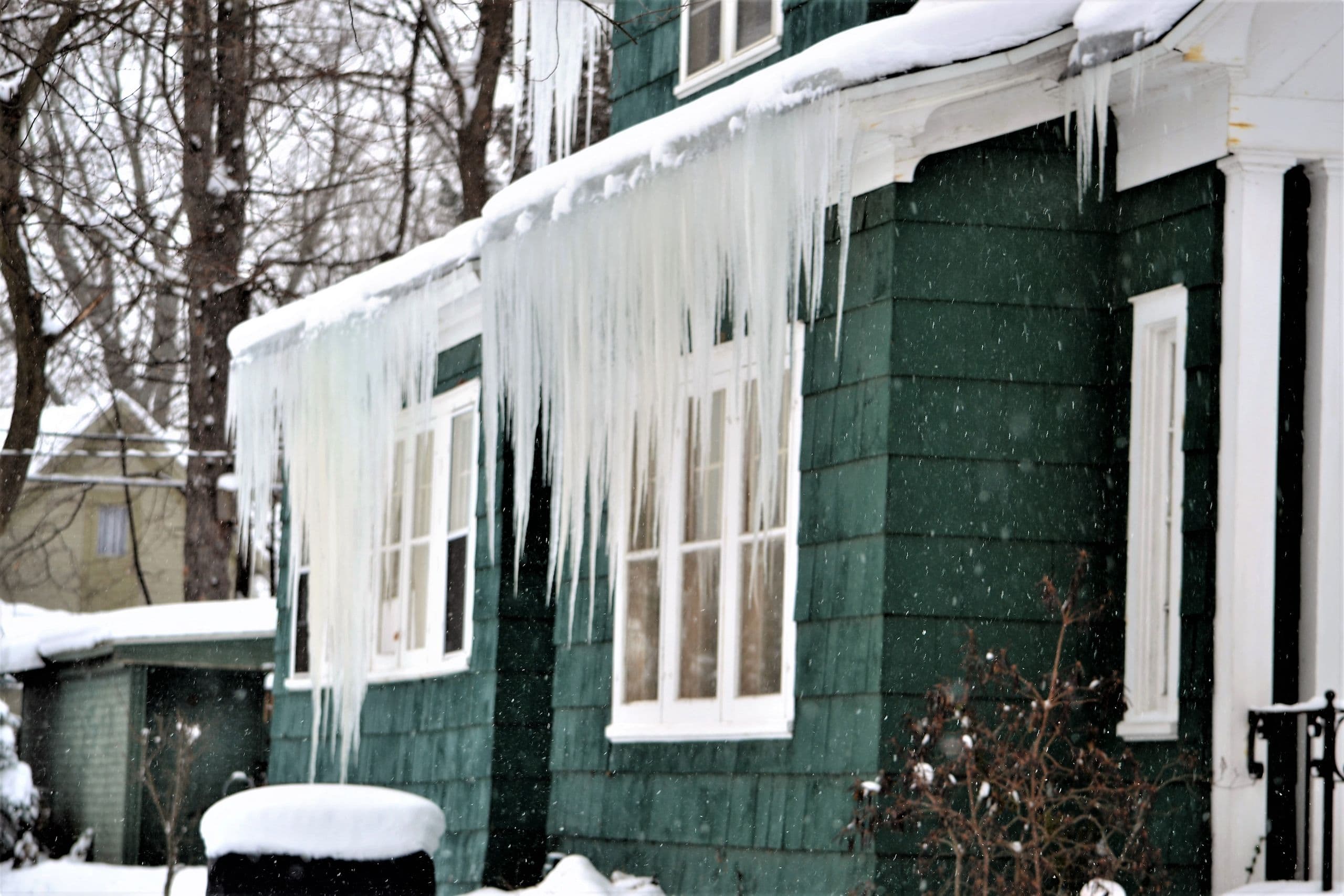
This winter storm impacted much of the Eastern United States, but freezing rain and prolonged cold created especially damaging conditions for homes and buildings across the Charlotte area. Ice storms are not just disruptive. They place uncommon stress on roofs, gutters, siding, windows, and drainage systems, often causing damage that does not appear until days or weeks later.
National loss data shows that winter storms cause billions of dollars in property damage each year, with ice storms ranking among the most costly because water intrusion is frequently hidden. If your property was exposed to freezing rain, now is the right time to assess where moisture may have entered and address it before melting and refreezing cycles create interior damage.
How Ice Storms Damage Homes in the Charlotte Area
Ice behaves differently than snow or rain. It bonds to surfaces, adds weight, and forces water into small openings across your exterior.
Roof Damage After an Ice Storm
Freezing rain pushes water beneath shingles and flashing, then locks it in place as temperatures drop.
Common roof-related issues include:
- Lifted or fractured shingles
- Flashing separation around chimneys, vents, skylights, and walls
- Ice dams that force water back under roofing materials
- Saturated underlayment or roof decking
Industry data shows that most ice-related roof leaks appear days or weeks after the storm, often when ice begins to melt. That is why waiting for visible leaks can cost more later.
If your home or building experienced freezing rain, this is the right time for a Residential Roofing inspection or Commercial Roofing inspection.
Gutter Failure and Drainage Problems
Gutters are designed to move water, not hold ice. Even small amounts of ice add significant weight and block drainage.
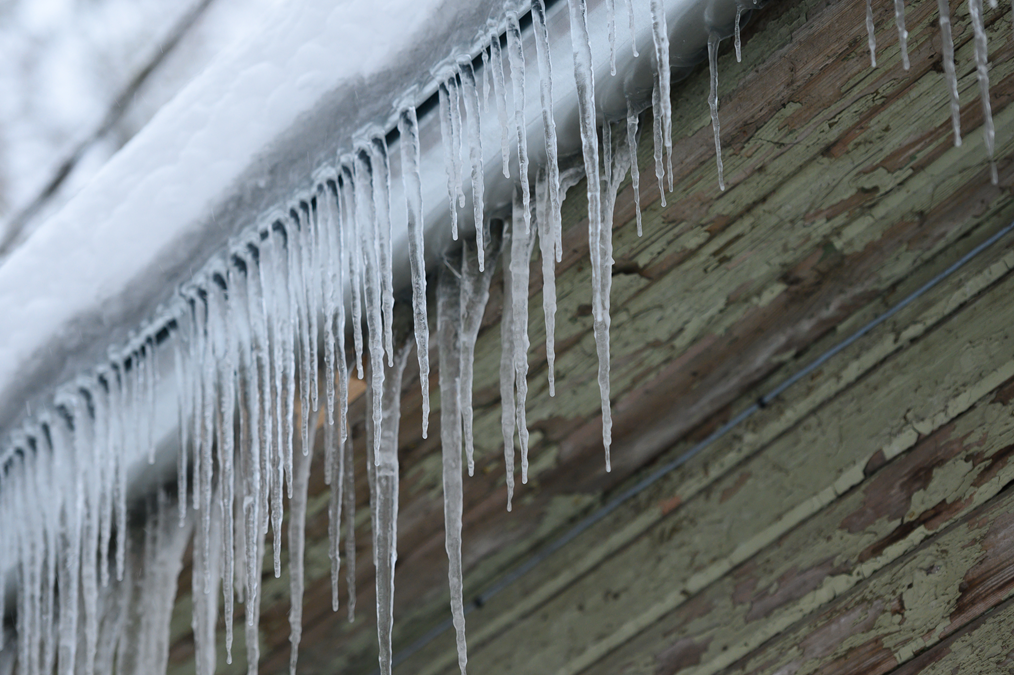
After ice storms, we commonly see:
- Gutters pulling away from fascia boards
- Cracked or detached downspouts
- Water is overflowing behind gutters instead of draining
- Roof edge leaks caused by backed-up water
Just one quarter inch of ice can add hundreds of pounds of load across a gutter system, stressing fasteners and roof edges. When drainage fails, water moves into siding, soffits, and interior walls.
Siding and Exterior Wall Exposure
Ice storms force moisture behind siding and trim. When that moisture freezes, it expands and widens gaps.
Post-storm siding issues often include:
- Loose or warped siding panels
- Trim separation around windows and doors
- Soffit and fascia damage near roof edges
- Moisture trapped behind exterior walls
Restoration data shows that water intrusion through exterior walls accounts for a significant share of storm-related repair costs, especially when damage is not visible from
Windows, Heat Loss, and Ice Dams
Windows play a larger role in ice damage than many homeowners realize. Failed seals and air leakage allow heat to escape, which accelerates ice dam formation along roof edges.
After an ice storm, watch for:
- Drafts near windows and doors
- Interior condensation on glass
- Moisture around window trim
- Ice buildup concentrated above window lines on the roof
If windows are contributing to heat loss, they can worsen roof and gutter issues during freeze-thaw cycles.
Attic Moisture and Insulation Issues
Ice-related leaks often start in the attic before they reach living spaces.
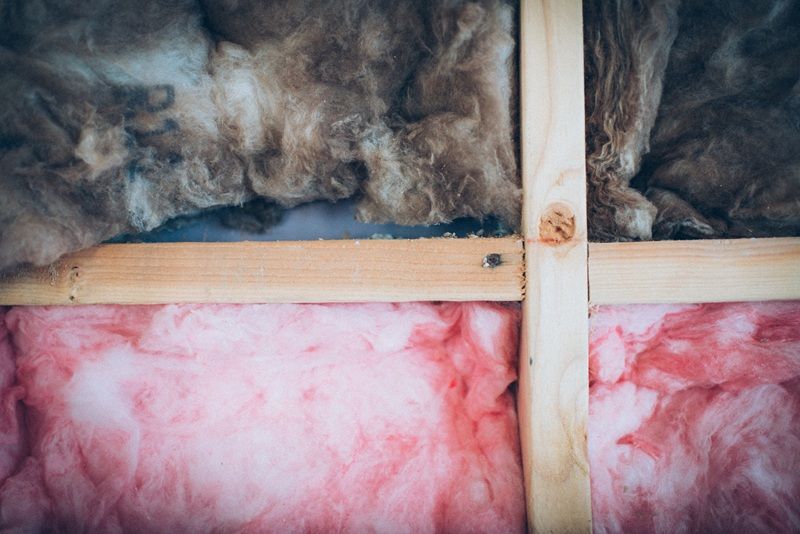
Common attic issues after freezing rain include:
- Wet or compressed insulation
- Frost buildup on roof decking or nails
- Increased mold risk from trapped moisture
Energy efficiency data shows that wet insulation can lose more than 50 percent of its insulating value, increasing heating costs and prolonging ice dam conditions.
Tree Weight and Structural Stress
Ice adds weight to trees as well as roofs. Limbs often snap after the storm as temperatures fluctuate.
Tree-related damage can include:
- Impact to roof slopes or valleys
- Bent flashing or crushed shingles
- Gutter, fascia, or siding damage
Even minor tree contact should be inspected, since damage is not always visible from the ground.
Signs You Should Not Ignore
Schedule a Post-Storm Inspection if you notice:
- Ceiling stains or drywall bubbling
- Damp attic insulation or musty odors
- Gutters pulling away or overflowing
- Shingles that appear uneven or lifted
- Siding or trim that shifted
- Ice buildup concentrated along roof edges
Ice storm damage does not resolve on its own. It either stabilizes or spreads depending on what you do next.
Schedule a Post-Storm Inspection With Top Flight Contracting
If you are in Charlotte or the surrounding areas, now is the right time to have your roof, gutters, siding, windows, and exterior systems inspected.
Schedule a Post-Storm Inspection with Top Flight Contracting to identify storm-related exposure early and protect your home before additional weather creates interior damage.
Questions Homeowners Ask After an Ice Storm
Can an Ice Storm Cause Roof Leaks Days Later?
Yes. Ice storms often cause delayed leaks. Water is forced under shingles and flashing during freezing rain, then leaks appear later when ice melts.
Should You Schedule a Roof Inspection After an Ice Storm?
Yes. Ice storms commonly damage roof edges, flashing, and drainage systems even when no leaks are visible right away.
Can Ice Damage Gutters, Siding, and Windows?
Yes. Ice adds weight to gutters, forces moisture behind siding, and exposes failed window seals, all of which can lead to water intrusion.
Is Ice Storm Damage Always Visible?
No. Some of the most expensive repairs begin as hidden moisture intrusion in attics, behind siding, or along roof edges.
What Happens When Ice Melts on a Roof?
When ice melts, water follows gravity. If drainage is compromised, that water moves under roofing materials, behind gutters, and into exterior walls.