
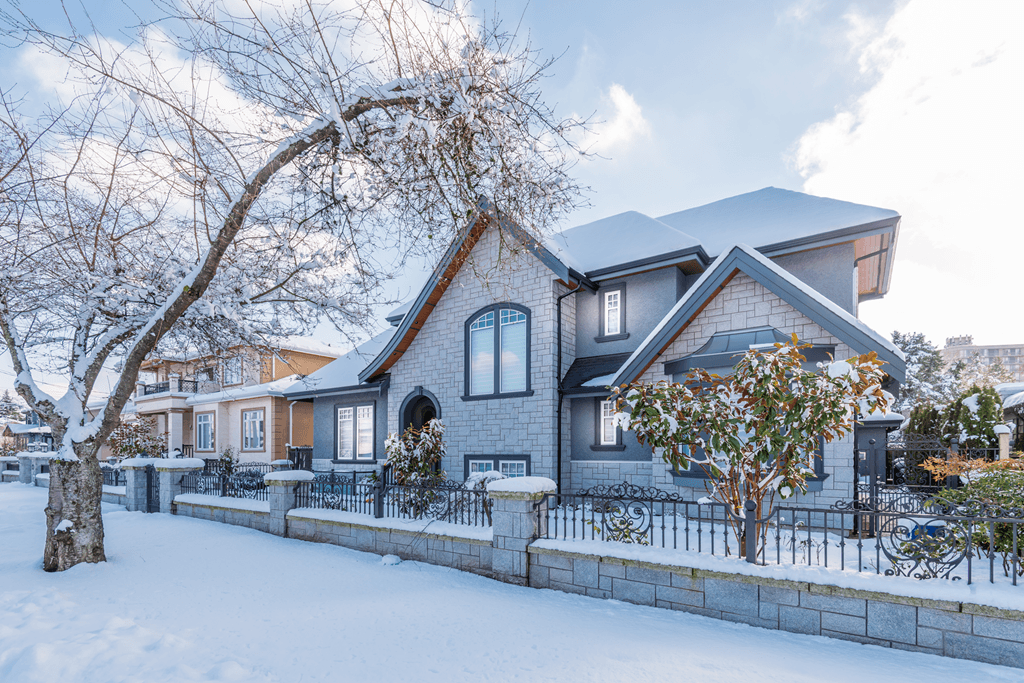
Charlotte doesn’t usually get winter weather like this. We might see a light snow or a quick ice event, it melts off, and life moves on. This season didn’t follow that script.
Winter Storm Fern came through first, bringing ice, sleet, and freezing rain that lingered longer than most people expected. Before homes had a real chance to dry out, a second snow system followed and dropped several inches across the area. In many neighborhoods, totals landed in the range of a few inches, with heavier accumulation in pockets north and east of the city.
When storms stack up like that, roofs around here start dealing with conditions they’re not normally built for.
And for most homeowners, the real problems don’t show up during the storm. They show up after.
Back-to-Back Winter Storms Put Roofs Under Stress
Most roofs in the Charlotte area are designed for occasional cold, not repeated freeze and thaw cycles packed into a short window.
After Winter Storm Fern, moisture settled into shingles, roof valleys, flashing, and gutters. Ice sat along roof edges in places like Ballantyne, SouthPark, and Huntersville longer than people expected. Before that moisture fully dried out, the second snow event added more weight and more freezing nights.
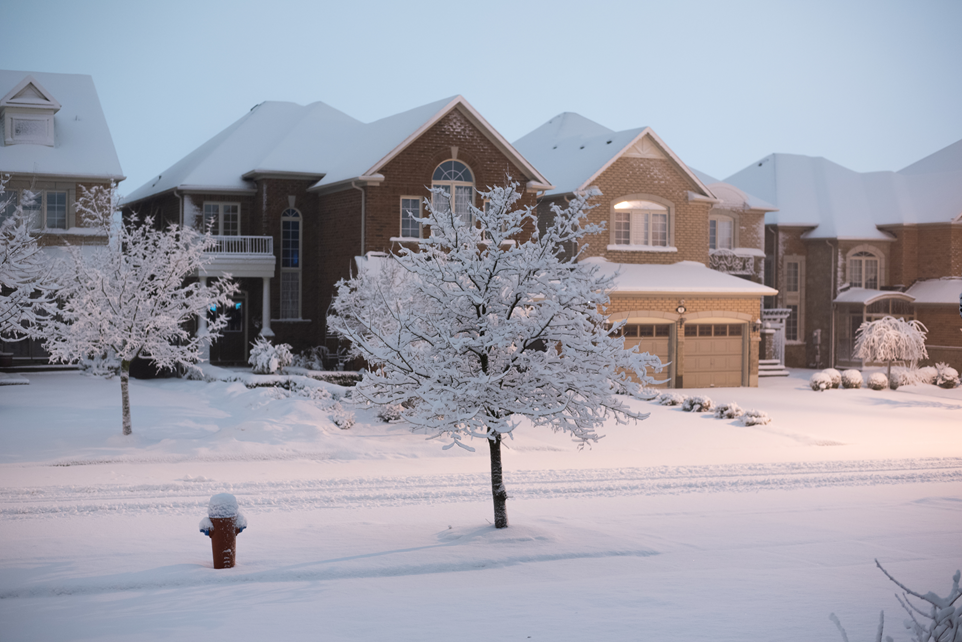
Once temperatures start rising during the day and dropping again at night, the roof stays cold and damp longer than it should. That repeated freezing and thawing is where small issues start turning into real problems.
What Happens When Snow and Ice Start Melting
Snow doesn’t just sit there.
As parts of the roof warm up, snow begins to melt and water starts moving downhill. When that water reaches colder areas near the roof edge or gutter line, it can refreeze instead of draining off.
When that happens, new meltwater has nowhere to go. It backs up under shingles, around flashing, and into areas that were never meant to get wet. From there, it can reach the roof decking or attic insulation.
This usually starts quietly. Most homeowners don’t notice anything until days later.
Why Do Ice Dams Form After Storms Like Winter Storm Fern?
Ice dams form when melting snow refreezes along the roof edge and creates a ridge of ice. That ridge blocks additional meltwater from draining properly.
With Winter Storm Fern followed closely by another snow event, ice dams tend to grow thicker and last longer. Homes in Charlotte, Matthews, Mint Hill, and Concord are especially vulnerable during winters like this because insulation and ventilation systems here aren’t always designed for repeated snow events.
That trapped water is one of the most common causes of winter roof leaks we see.
Ice Does Not Always Melt Evenly Across the Roof
After multiple storms, ice rarely melts evenly.
Some sections of the roof warm up and shed snow quickly. Other areas, especially near roof edges and shaded sections, stay frozen longer. That uneven melt causes ice to build in certain spots instead of disappearing.
If you’ve noticed icicles that keep coming back in neighborhoods like Dilworth or Plaza Midwood, even after warmer afternoons, that’s often a sign meltwater isn’t draining the way it should.
How Much Weight Can Snow and Ice Put on a Roof?
Snow is heavy. Ice is heavier.
Even a few inches of wet snow combined with ice can add thousands of pounds of extra load across a roof. When snow melts unevenly, that weight shifts instead of lifting off evenly.
That added stress affects shingles, fasteners, roof decking, and gutters. Older roofs tend to feel this first, especially homes in established areas like Myers Park and East Charlotte where roofing systems may already be aging.
Signs Snow and Ice Melt May Have Caused Roof Damage
After storms like these, homeowners around Charlotte often start noticing the same patterns.
Outside the home
- Icicles that stick around longer than expected
- Gutters that look slightly pulled away or sagging
- Dark streaks or discoloration near roof edges
Inside the home
- New ceiling spots that weren’t there before
- Damp or compressed insulation in the attic
- A musty smell that shows up unexpectedly
These signs often appear after the weather clears, not during the storm itself.
Common Reactions That Make Things Worse
When people notice ice or water, the instinct is to fix it fast. Some common reactions actually cause more damage.
Climbing onto a wet or icy roof, chipping ice off shingles with tools, or using open flame to melt ice can damage roofing materials and create openings for water later.
Ignoring small leaks and hoping they dry out usually doesn’t work either. Winter moisture tends to linger.
A Few Smart Steps You Can Take
You don’t need to do anything extreme.
If snow is still sitting on the roof, gently removing excess snow from the ground with a roof rake can help reduce weight. Once temperatures allow, checking the attic for damp spots or staining is a smart move. As temperatures continue to rise and fall over the next stretch, keep an eye on ceilings and walls for anything new.
That’s often when problems reveal themselves.
A Word from Your Local Roofing Experts
We’ve been inspecting roofs across the Charlotte area after winter storms for years, including events like Winter Storm Fern and this latest round of snow. One thing we always tell homeowners is this:
By the time you see water inside the house, the issue has usually been developing for a while.
Sometimes a roof handles storms like these just fine. Other times, small problems show up that are easier to address early. Either way, knowing where your roof stands makes a difference.
If something feels off or you want clarity on how your roof handled these back-to-back storms, Top Flight Contracting can take a look and give you straightforward answers.
Give us a call today, or you can request an instant roof estimate here!